501-249-8431
 info@solarconnectgroup.com
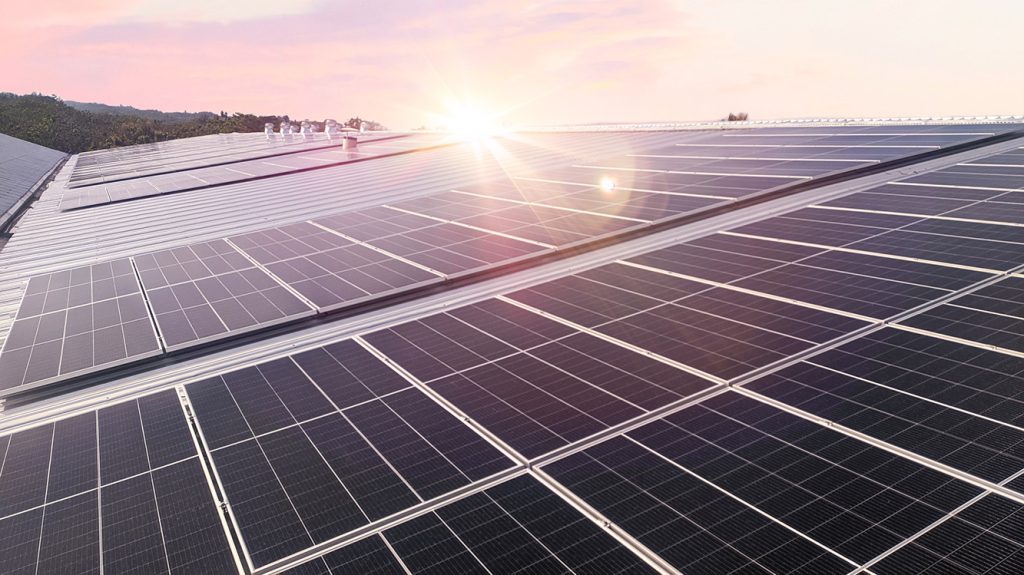
With rising utility costs, increased pressure on sustainability goals, and evolving incentives, many commercial property owners are asking the same question in 2026:
Is solar still worth it—and does the ROI actually pencil out?
The short answer: yes, for many commercial facilities but only when it’s done strategically. Below, we break down how ROI works today and walk through real-world commercial solar scenarios that show where solar delivers the strongest returns.
What Determines Commercial Solar ROI in 2026?
Solar ROI isn’t one-size-fits-all. In 2026, the most profitable projects typically depend on five core factors:
1. Electricity Usage Profile
Facilities with high daytime energy usage (manufacturing, warehouses, distribution centers, retail) see the strongest returns because solar offsets peak utility rates.
2. Utility Rates & Demand Charges
Markets with rising kWh costs and demand charges create faster payback timelines—often 4–7 years instead of 8–10.
3. Available Incentives
Federal tax incentives, depreciation benefits, and state/local programs still play a major role in reducing upfront cost.
4. Roof Condition & Size
Large, unobstructed roofs in good condition maximize system size and output—directly improving ROI.
5. Ownership Timeline
Facilities planning to occupy or own a building for 7+ years tend to benefit most from solar investments.
Case Study #1: Distribution Center Reducing Operating Costs
Facility Type: 500,000 sq. ft. distribution center
Location: Midwest
Primary Goal: Reduce operating expenses and hedge against rising utility rates
Location: Midwest
Primary Goal: Reduce operating expenses and hedge against rising utility rates
The Challenge
Energy costs were increasing year over year, driven by long operating hours and high demand charges. Leadership wanted predictable costs without disrupting operations.
The Solar Solution
-
Rooftop solar system sized to offset ~60% of annual electricity usage
-
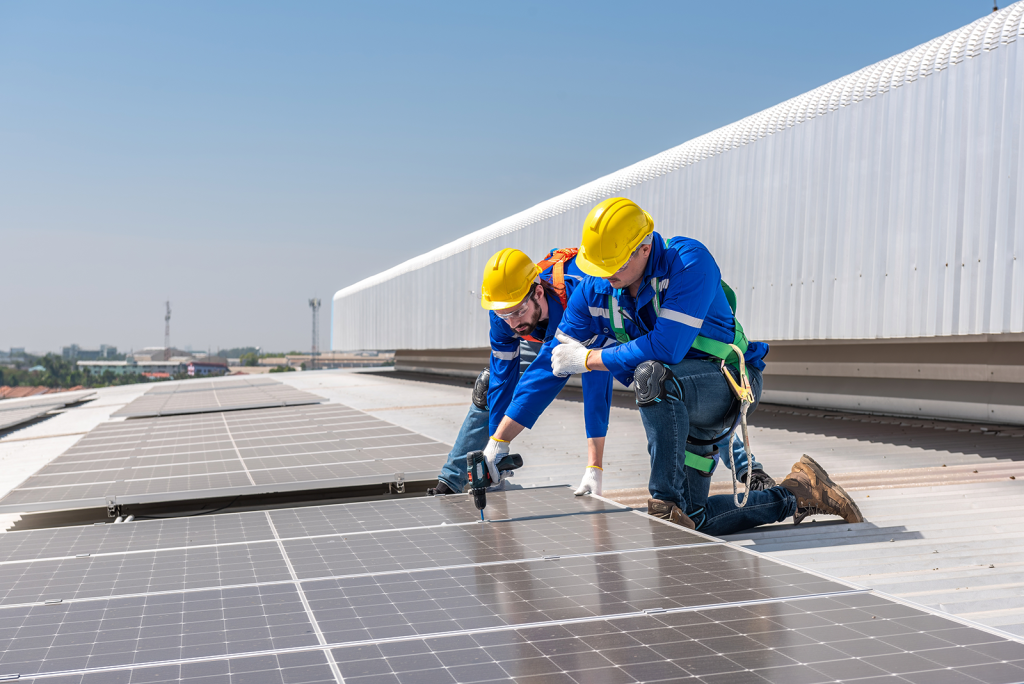
Installed alongside a roof evaluation to ensure long-term compatibility
ROI Snapshot
-
Estimated payback: ~6 years
-
Annual utility savings: Significant reduction in peak demand charges
-
Long-term benefit: Stable energy costs for 20+ years
Why it worked: High daytime load + large roof area = strong financial performance.
Case Study #2: Retail Portfolio Focused on Cash Flow
Facility Type: Multi-site retail portfolio (15 locations)
Location: Southwest
Primary Goal: Improve cash flow across multiple properties
Location: Southwest
Primary Goal: Improve cash flow across multiple properties
The Challenge
Each site had different energy profiles, making it difficult to justify solar portfolio-wide—until utility rate hikes accelerated.
The Solar Solution
-
Site-by-site solar feasibility analysis
-
Systems installed only on high-performing locations
-
Power Purchase Agreement (PPA) structure to avoid upfront capital
ROI Snapshot
-
Immediate savings: From month one (no upfront cost)
-
Predictable energy pricing: Locked-in lower rates
-
Scalability: Portfolio expanded solar installs over time
Why it worked: Selective deployment + financing flexibility.
Case Study #3: Manufacturing Facility Targeting Long-Term ROI
Facility Type: Heavy-use manufacturing plant
Location: Southeast
Primary Goal: Long-term cost reduction and sustainability reporting
Location: Southeast
Primary Goal: Long-term cost reduction and sustainability reporting
The Challenge
Energy-intensive equipment drove high monthly utility bills, and leadership wanted measurable ESG improvements without operational risk.
The Solar Solution
-
Rooftop solar sized for maximum offset
-
Coordinated with roof lifecycle planning to avoid future rework
ROI Snapshot
-
Estimated payback: 5–6 years
-
Lifetime savings: Seven figures over system life
-
Bonus value: Sustainability reporting and brand impact
Why it worked: High energy demand + long ownership horizon.
What Commercial Solar ROI Looks Like in 2026
While every project is different, many commercial facilities today are seeing:
-
Payback periods: 4–8 years
-
System life: 25–30 years
-
Internal rates of return (IRR): Competitive with other capital investments
-
Protection against utility volatility
Solar isn’t just about savings—it’s about cost control, predictability, and asset optimization.
When Solar Might Not Be the Right Fit
Solar may not make sense if:
-
The roof needs replacement soon and isn’t addressed first
-
Ownership plans are short-term
-
Energy usage is minimal or inconsistent
-
Shading or structural limitations reduce output
That’s why a site-specific analysis matters more than general averages.
Why SolarConnect Takes a Different Approach
SolarConnect evaluates commercial solar through the lens of total asset strategy, not just panel placement. That includes:
-
Roof condition and lifecycle planning
-
Utility rate analysis
-
Financing options
-
Long-term operational impact
Our goal isn’t to sell solar everywhere, it’s to deploy it where it delivers real ROI.
Is Solar Worth It for Your Facility in 2026?
For many commercial buildings, the answer is yes but only with the right data, structure, and execution.
If you’re exploring solar and want a clear, honest ROI breakdown for your facility or portfolio, SolarConnect can help you evaluate the numbers before you commit.